What the USPTO’s $350 Per-Class Base Trademark Fee Replaced on January 18, 2025
The USPTO charges $350 per class for a base trademark application, then moves each filing through examination, a 30-day opposition window and periodic renewals.
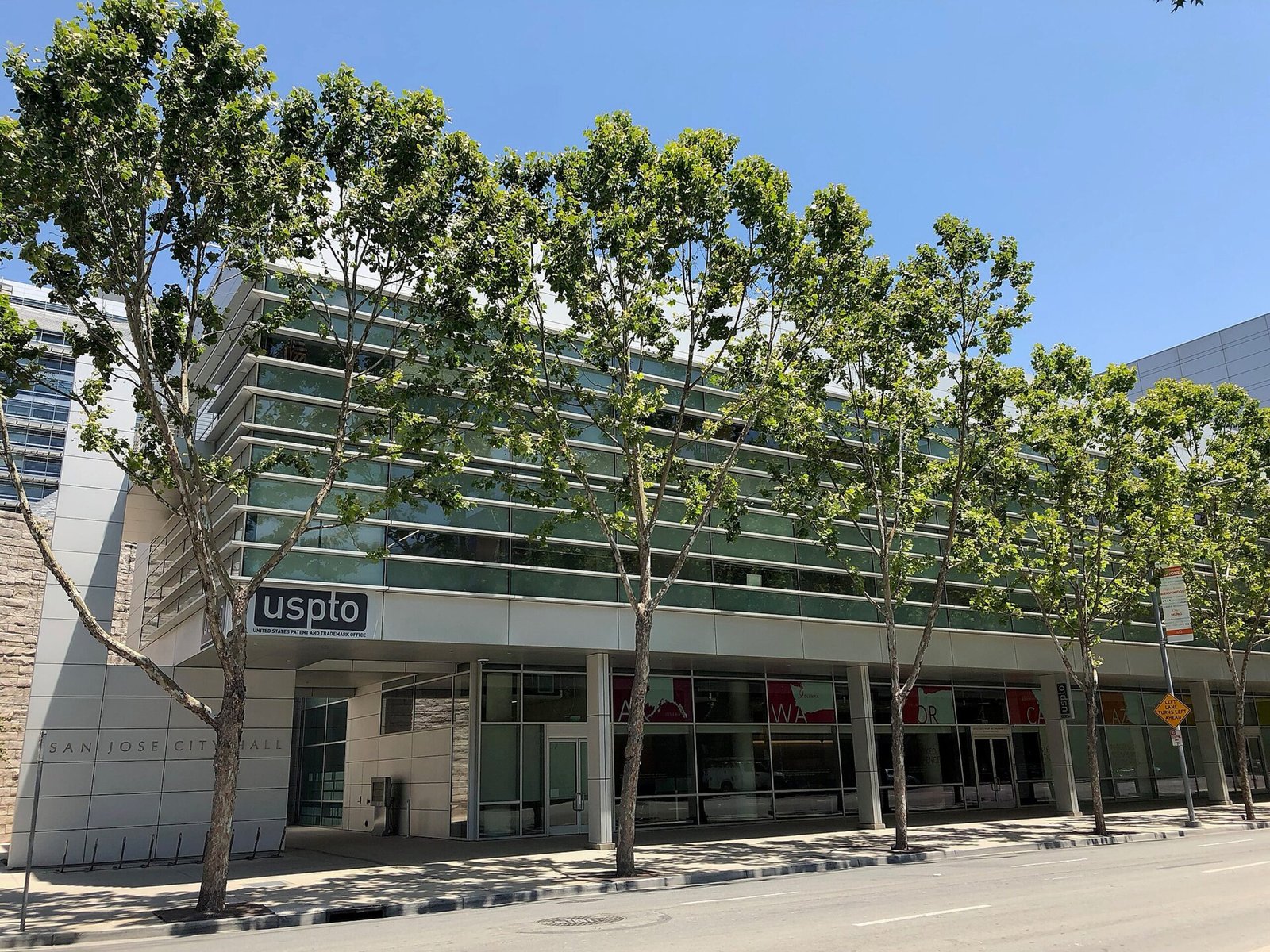
The U.S. Patent and Trademark Office, or USPTO, handles registration. It charges fees for each class of goods or services in an application and moves a filing through examination, then publication, where it can be opposed.
The fee structure changed on January 18, 2025, when the USPTO replaced its older TEAS Plus and TEAS Standard filing options with one base application fee. Those options carried fees of $250 and $350. The USPTO says its timeline does not cover every scenario.
What Filing a Trademark Costs Per Class
The base application fee is $350 per class for applications filed under Sections 1 and 44 of the Trademark Act. The USPTO’s 2025 fee summary lists that amount for fees paid to the agency from January 18, 2025. Each class carries its own fee, so a three-class filing starts at $1,050 before any surcharge.
Surcharges can add to that figure. An application that lacks required information carries a $100 per-class insufficient information fee. Describing goods or services in a free-form text box, rather than choosing entries from the Trademark ID Manual, adds $200 per class. Free-form descriptions longer than 1,000 characters add a further $200 per affected class for each additional group of 1,000 characters.
Applications filed with WIPO under Section 66(a) carry a $600 per-class application fee, up from $500. The fee summary gives February 18, 2025 as the effective date for fees paid to WIPO, and the adjusted Madrid fees took effect that day. An optional three-month extension of the response period can also be requested for a fee.
Base Fee, 2025
The USPTO’s 2025 fee summary lists the base trademark application fee at $350 per class, effective for fees paid from January 18, 2025. The insufficient information surcharge is $100 per class.
From Filing to Examining Attorney Review
Once an application is filed and paid for, the USPTO assigns a serial number and an examining attorney. Applicants can track status in TSDR.
For use-based applications filed under Section 1(a), the USPTO says a filing moves to review about six to nine months after it is submitted. The agency posts current wait times on a separate page and directs applicants there for present figures.
During examination, the examining attorney checks whether the application meets all legal requirements and whether the mark can be registered. That includes searching registered and pending marks for conflicts, researching what the mark means in the applicant’s industry, reviewing how the goods or services are described, and confirming that the filing basis meets the rules. The USPTO estimates this initial review at about one month.
Office Actions and Response Deadlines
If the examining attorney approves the mark, it moves on to publication. If not, the applicant receives an office action, an official letter that explains the refusal and, where available, suggests fixes. The applicant has three months from the issue date of that letter to respond, and the response must correct the listed problems by the deadline stated in the letter.
The examining attorney may instead contact the applicant by email or phone for minor corrections. A missed deadline causes the application to be treated as abandoned, and a Notice of Abandonment follows.
The USPTO says it reviews a timely, complete response in about one to two months. If the response corrects everything, the mark is approved for publication. If problems remain, a final office action states that the mark will not be registered, and a requirement or refusal may not always be fixable.
After a final action, the applicant has three months to file a notice of appeal or another timely response. Appeals go to the Trademark Trial and Appeal Board, or TTAB, and the USPTO estimates about one to two months for a timely response or appeal to be processed. The fee summary lists the Petition to the Director at $400, up from $250, which the USPTO says is available in limited circumstances.
A petition to revive must be filed within two months of a Notice of Abandonment. The fee for a petition to revive an application rose from $150 to $250. Losing a TTAB appeal also leads to abandonment.
Publication, Opposition and Registration
An approved mark is published in the Trademark Official Gazette about one month after approval. During the 30 days after publication, anyone who believes their business will be harmed if the mark is registered may file an opposition. The USPTO takes no registration action until that period closes and any opposition is resolved.
The USPTO’s timeline puts the next step about three months after the publication step, and an opposition can extend that time. No further action is taken to register the mark until the 30-day opposition period has expired and any oppositions are resolved.
Each class carries its own fee, so a three-class filing starts at $1,050 before any surcharge.
Declarations and Renewals After Registration
A registered mark needs a Section 8 declaration of use, due before the end of the first six-year period after registration. The USPTO says the declaration may be filed within six months after that period ends, with an additional fee. It requires a verified statement, evidence of use and fees. Without it, the registration is canceled.
Renewal is combined with a Section 9 filing every 10 years. It is due within one year before the end of each 10-year period, or within six months after that period ends, with a fee. Without it, the registration is canceled and expires.
The 2025 fee figures put the Section 8 declaration at $325 per class, up from $225, and the Section 9 renewal at $325 per class, up from $300. The Section 15 declaration is $250 per class, up from $200, and the Section 71 declaration is $325 per class, up from $225. For intent-to-use applications, the statement of use is $150 per class, up from $100.
Checking Current Wait Times and Fees
The fee figures in this article are the USPTO’s 2025 amounts. They apply to fees paid to the USPTO from January 18, 2025, and to fees paid to WIPO from February 18, 2025. The USPTO describes its durations as estimates rather than fixed dates, and it directs applicants to its live wait-time page for current queue figures.
Overall time to registration depends on whether an office action issues and whether an opposition is filed. Applicants whose situation falls outside the published timeframes can contact the Trademark Assistance Center at 1-800-786-9199 (press 1), or by email at TrademarkAssistanceCenter@uspto.gov. The USPTO also says applicants can call the examining attorney named on an office action. Current wait times are on the agency’s separate page.
Get more stories like this in your inbox by signing up for the EW newsletter, The Entrepreneurs Weekly’s free digest of founder stories and business news.