Spotify, Depop Team Up To Sell Artists’ Closets
Spotify partnered with Depop to let six artists sell personal wardrobe pieces alongside an exclusive shared playlist.
Spotify has launched a new collaboration with online resale marketplace Depop, inviting six musicians to open up their personal closets to fans through curated shops paired with an exclusive playlist. The initiative, unveiled this week, positions fashion as another entry point for listeners to engage with artists beyond their music.
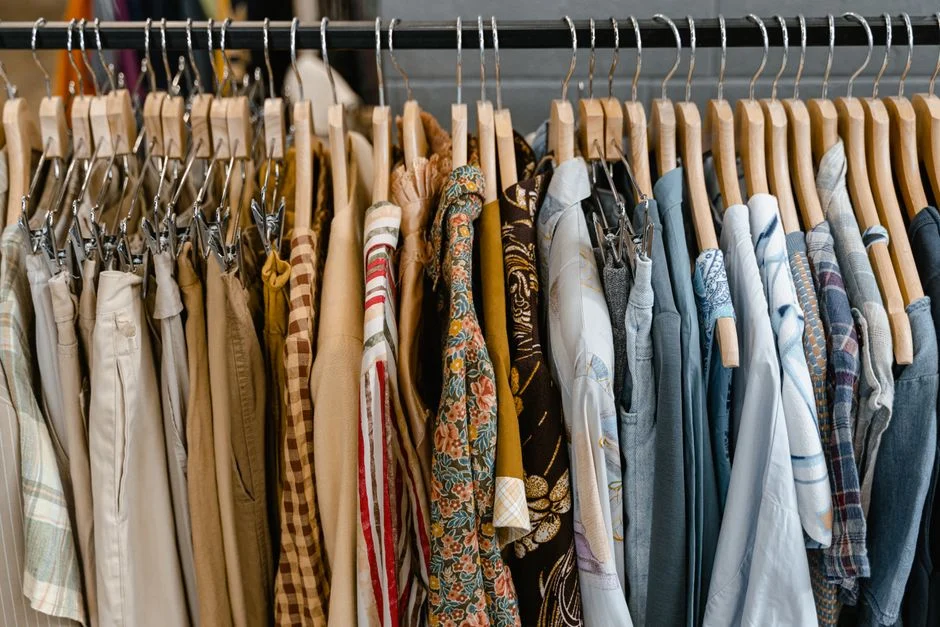
The lineup includes Grammy-winning rapper and actor Eve, alternative and goth-rock artist Amira Elfeky, cumbia-influenced pop performer Estevie, electronic sibling duo Frost Children, genre-blending act House of Protection, and folk-pop singer Lily Meola. Each artist selected items from their own wardrobes to sell on Depop, ranging from custom band tees and leather chaps to a vintage pink satin nightgown, a furry blue scarf, and reworked halter tops. The pieces are meant to reflect each performer’s individual style and, by extension, the creative identity behind their music.
Alongside the shops, Spotify released a companion playlist tying the six artists together despite their differing genres, spanning rap, goth rock, regional Mexican-inflected pop, electronic, hardcore-rock fusion, and folk-pop. The campaign culminated in a live event last week in Los Angeles at the Hollywood Premiere Motel, featuring performances from the participating artists, interactive closet displays inspired by distinct music scenes, and fashion edits curated by Depop. Shoppers can browse the closets through Depop while inventory lasts, with the playlist remaining available on Spotify.
The collaboration reflects a broader trend of streaming platforms looking for ways to extend the listener relationship beyond audio. Spotify has increasingly experimented with lifestyle and merchandise tie-ins, treating artist identity as something that spans visuals, style, and personal narrative rather than just sound. Pairing music discovery with secondhand fashion also taps into younger audiences who increasingly view thrifting and resale platforms as both a sustainability choice and a form of self-expression.
Depop, for its part, has built its business around peer-to-peer resale aimed largely at Gen Z shoppers, positioning itself as a marketplace where personal style and individuality are central to the buying experience. Partnering with musicians gives the platform access to built-in fan bases eager for a tangible connection to artists they follow, while offering Spotify a way to differentiate its marketing efforts from straightforward playlist promotion. Fashion-driven collaborations of this kind have become more common across the music industry, as labels and platforms look for experiential campaigns that generate social media attention and deepen fan engagement outside traditional streaming metrics.
Fans interested in the closets or the shared playlist can find both through Spotify’s official channels, though organizers note that wardrobe pieces will only remain listed while supplies last.
Get more stories like this in your inbox by signing up for the EW newsletter, The Entrepreneurs Weekly’s free digest of founder stories and business news.