Malaysia Lifts Loan and Guarantee Facilities to RM57 Billion in Budget 2027
Malaysia's Budget 2027, announced on 9 October 2026, lifts total loan and financing guarantee facilities to RM57 billion and proposes to cut MSME income tax by one percentage point.
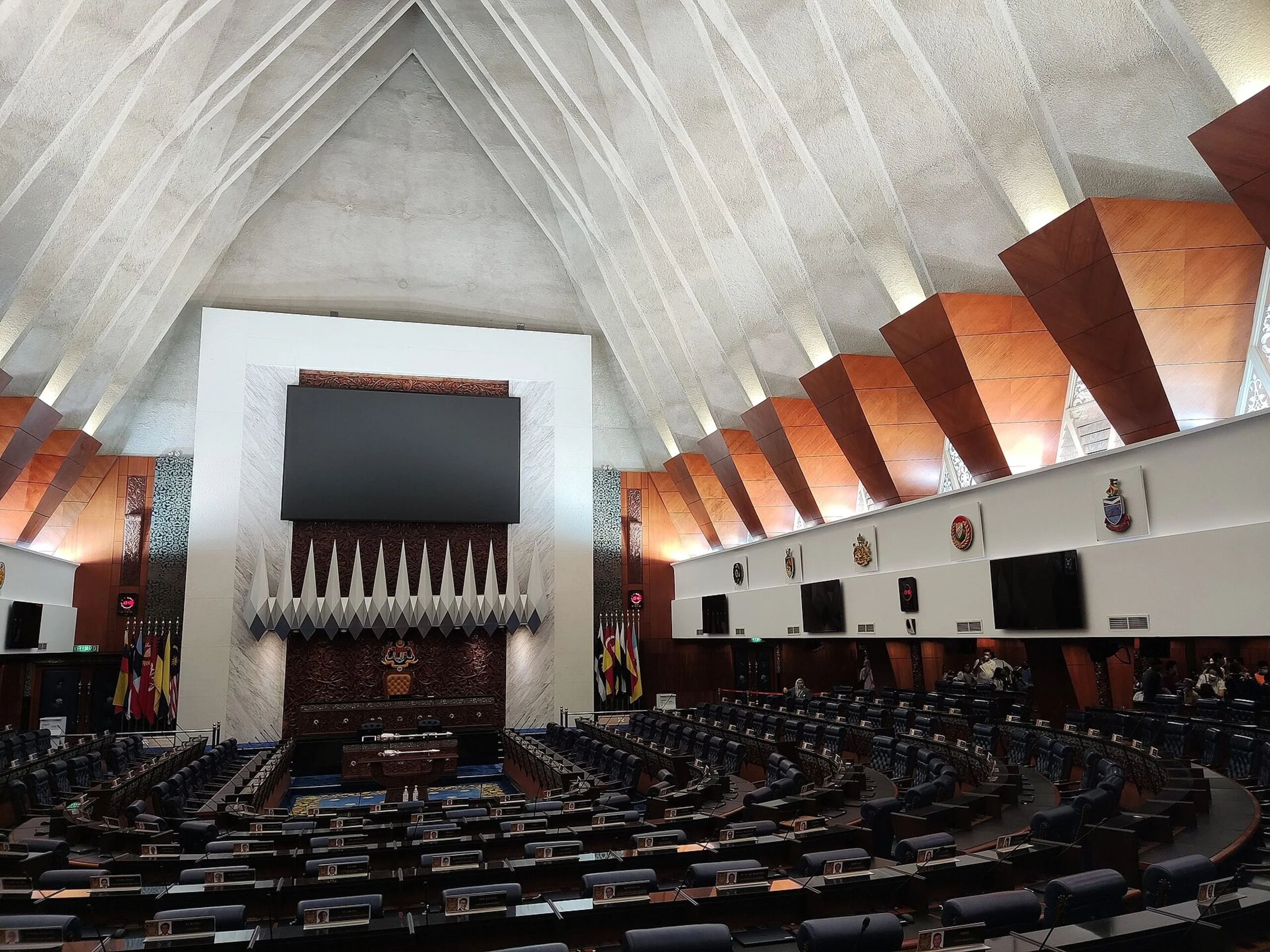
Malaysia’s Budget 2027, announced on 9 October 2026 by Prime Minister and Finance Minister Anwar Ibrahim, raises total loan and financing guarantee facilities to RM57 billion in 2027, up from RM50 billion. The Star reported the figure the same day.
The package also proposes to cut income tax for micro, small and medium enterprises (MSMEs) by one percentage point, allocates RM270 million for MSMEs to be mobilised through equity crowdfunding (ECF) and peer-to-peer (P2P) platforms, and proposes RM10 stamp duty on certain financing agreements.
Guarantees and Loan Limits Rise to RM57 Billion
The Star reports that Syarikat Jaminan Pembiayaan Perniagaan Bhd (SJPP) and Credit Guarantee Corporation Malaysia Bhd (CGC) can provide up to RM32 billion in financing guarantees in 2027. SJPP’s coverage extends to mid-tier companies in all sectors, and its guarantee limit rises to RM50 million. The Star does not give the previous limit.
RM1 billion of SJPP guarantees is set aside for mergers and acquisitions that expand local companies. BPMB Group will allocate RM7 billion across seven strategic sectors, including renewable energy, logistics, aerospace and semiconductors.
Bank Negara Malaysia also adds financing for SMEs affected by the West Asia conflict. The Star reports the facility was first set at up to RM5 billion and was doubled to RM10 billion after strong demand. The reports give programme sizes but no interest rates or fees, so the effect on borrowing cost cannot be measured from them.
Guarantee Capacity for 2027
SJPP and CGC can provide up to RM32 billion in financing guarantees in 2027, and total loan and financing guarantee facilities are RM57 billion in 2027, according to The Star.
Tax and Stamp Duty Changes That Affect Cash Flow
Malay Mail reports that 300,000 MSMEs are expected to have additional income of up to RM6,000 each, amid expected lower taxes. Under the reported rates, the first RM150,000 of taxable income is taxed at 14%, and income from RM150,000 to RM600,000 at 16%. The article does not state the year of assessment in which the new rates apply.
Malay Mail also reports two RM10 stamp duty rates. The first applies to P2P loan agreements made through P2P platforms, and the second to agreements that use excess bank credit for mid-tier companies. Both run from 1 January 2027 to 31 December 2030. A flat RM10 stamp duty is proposed for peer-to-peer loan agreements through 2030.
Opening savings and current accounts would be fully exempt from stamp duty from 1 January 2027, according to the same report. For P2P loan agreements and excess-credit agreements for mid-tier companies, the proposed stamp duty is RM10 each. The reports do not say how much this saves in a given year.
A flat RM10 stamp duty is proposed for peer-to-peer loan agreements through 2030.
Crowdfunding Allocation, Eligibility and Next Steps
The Securities Commission Malaysia (SC) welcomed the RM270 million in a media release dated 9 October 2026. The SC says the money will be mobilised through ECF and P2P financing platforms, and that this widens MSMEs’ financing options and reduces reliance on traditional funding. The release also refers to extended fiscal support for ECF and P2P financing, but gives no amount, duration or eligibility criteria.
Eligibility is only partly set out. Malay Mail does not define MSMEs, and The Star reports only the mid-tier coverage for SJPP guarantees. The SC release lists a tax deduction for eligible issuance costs of SC-approved Sukuk PRISMA issuances, and an income tax exemption on grants under the SRI Sukuk Scheme and Bond Grant Scheme from 1 January 2027.
The stamp duty measures are proposed to start on 1 January 2027, and the stamp duty windows end on 31 December 2030. No date has been reported for when the RM270 million will reach platforms. The package sets out three separate tools: government-backed guarantees on bank lending, crowdfunding and P2P platforms, and stamp duty rates on credit agreements.
Photo: Wee Hong · CC BY-SA 4.0 · via Wikimedia Commons
Get more stories like this in your inbox by signing up for the EW newsletter, The Entrepreneurs Weekly’s free digest of founder stories and business news.