Key Takeaways
- The city of San Francisco sued 10 major food and beverage companies on Tuesday, accusing the companies of selling ultra-processed products.
- These products have led to a public health crisis and have burdened governments with healthcare costs, the lawsuit alleged.
- Examples of ultra-processed foods include breakfast cereal, candy and chips.
San Francisco has filed the first government lawsuit in the U.S. specifically targeting ultra-processed foods like Pringles, Hot Pockets and Cheetos, and the major companies that make them.
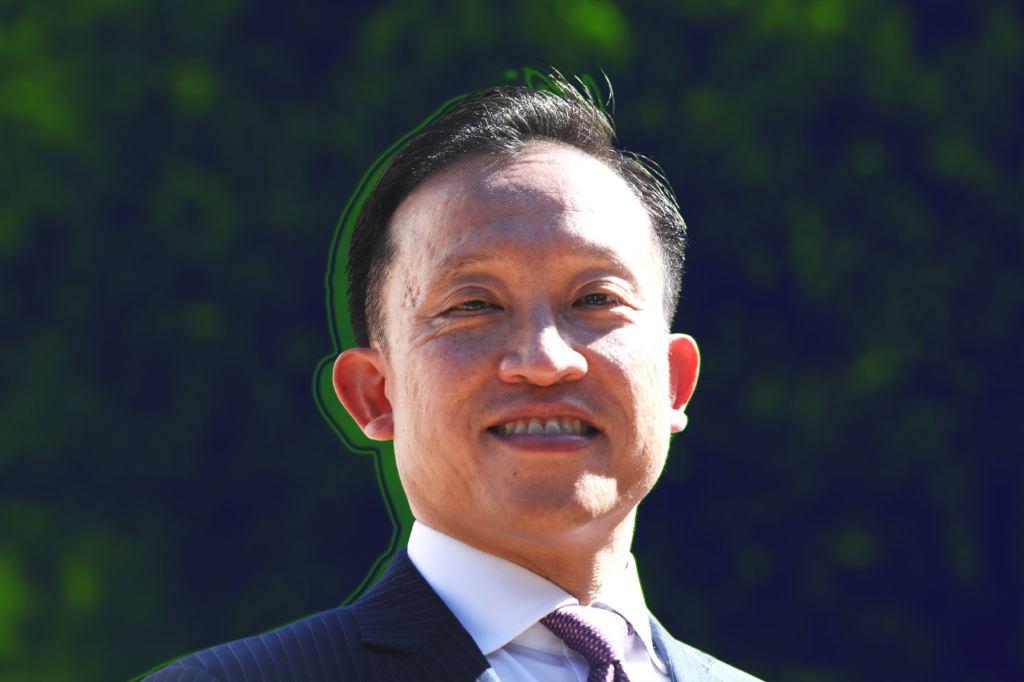
The city attorney, David Chiu, filed the lawsuit against 10 food and beverage giants, including Coca-Cola, Nestle and Kraft, on Tuesday in San Francisco Superior Court. The suit alleges that these companies marketed and sold ultra-processed foods that they knew were harmful to human health.
The city defined ultra-processed foods as former whole foods that have been broken down and then reassembled with additives like colors, flavor enhancers, emulsifiers and artificial sweeteners. Examples include candy, chips, processed meat and breakfast cereal.
The lawsuit accused these food conglomerates of contributing to a public health crisis and saddling governments with healthcare costs. The city seeks financial penalties and restitution to help offset health care costs linked to ultra-processed foods. It also wants to require changes in how these foods are promoted.
Related: Kraft Heinz Is Removing Artificial Dyes From Kool-Aid, Jell-O, Crystal Light By 2027
Additional defendants include Kraft Heinz, Mondelez International, PepsiCo, General Mills, Kellogg and Mars Incorporated — all large food and beverage companies whose brands dominate U.S. grocery shelves. Brands associated with General Mills alone include Cheerios, Pillsbury and Progresso.
“These companies created a public health crisis with the engineering and marketing of ultra-processed foods,” Chiu said in a statement. “They took food and made it unrecognizable and harmful to the human body… These companies engineered a public health crisis, they profited handsomely, and now they need to take responsibility for the harm they have caused.”
The New York Times estimates that 70% of the U.S. food supply is ultra-processed. Scientific studies conducted recently show that overconsuming ultra-processed food can lead to negative health outcomes, like Type 2 diabetes, cardiovascular disease and colorectal cancer. Chiu claims that the companies used unfair and deceptive marketing, including health-oriented messaging and child-friendly branding, to drive consumption despite growing scientific evidence of harm.
Related: The Biggest Consumer Goods Giant in the World Is Laying Off Thousands of Workers
The defendants responded to the claims in an emailed statement from their trade group, the Consumer Brands Association.
“There is currently no agreed upon scientific definition of ultra-processed foods and attempting to classify foods as unhealthy simply because they are processed, or demonizing food by ignoring its full nutrient content, misleads consumers and exacerbates health disparities,” Sarah Gallo, senior vice president of product policy for the group, said in the statement, per ABC News.
The San Francisco city attorney’s office has had success with public health cases before, such as in 1998, when it received a $539 million settlement from tobacco companies. More recently, in 2019, the city reached a $21 million settlement with former lead paint manufacturers.
Key Takeaways
- The city of San Francisco sued 10 major food and beverage companies on Tuesday, accusing the companies of selling ultra-processed products.
- These products have led to a public health crisis and have burdened governments with healthcare costs, the lawsuit alleged.
- Examples of ultra-processed foods include breakfast cereal, candy and chips.
San Francisco has filed the first government lawsuit in the U.S. specifically targeting ultra-processed foods like Pringles, Hot Pockets and Cheetos, and the major companies that make them.
The city attorney, David Chiu, filed the lawsuit against 10 food and beverage giants, including Coca-Cola, Nestle and Kraft, on Tuesday in San Francisco Superior Court. The suit alleges that these companies marketed and sold ultra-processed foods that they knew were harmful to human health.
The rest of this article is locked.
Join Entrepreneur+ today for access.