
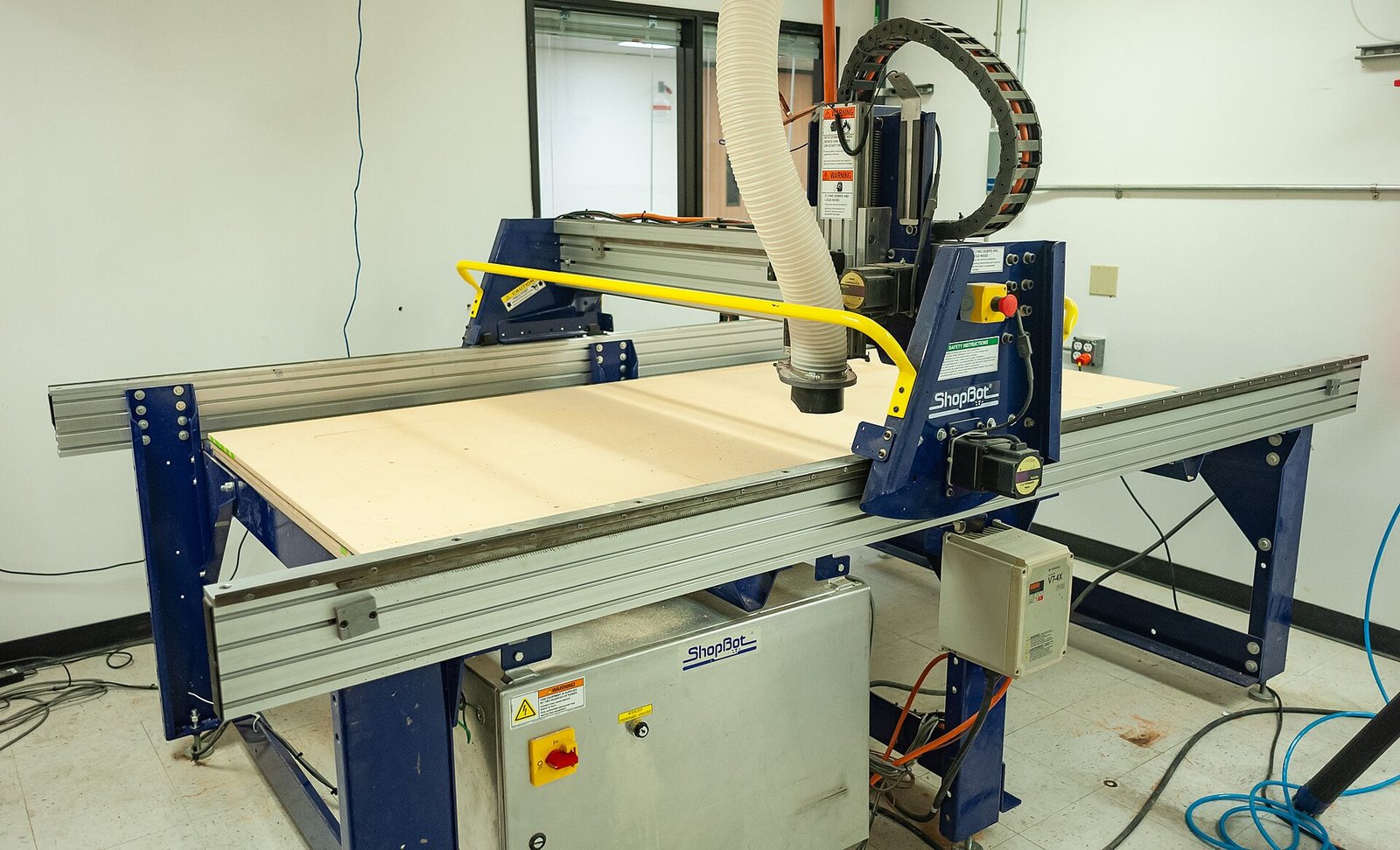
How 100% bonus depreciation works for a small business buying equipment
Key takeaways
- Equipment, machinery, computer software and heavy vehicles bought and placed in service after January 19, 2025 can be written off 100% in the first year.
- Used equipment qualifies too, as long as the business didn’t previously use it and bought it from an unrelated party.
- Section 179 lets a business expense up to $2.5 million separately in 2025, and the two provisions are typically used together, in that order.
A small business that buys machinery, computers or other equipment this year can generally deduct the full cost immediately, rather than spreading it over several years of depreciation. That change comes from the One Big Beautiful Bill Act, the tax law signed into law on July 4, 2025, which permanently restored 100% bonus depreciation under Section 168(k) of the tax code.
The Internal Revenue Service issued interim guidance on the rules, Notice 2026-11, on January 14, 2026. The notice confirms that the existing regulatory framework from the 2017 Tax Cuts and Jobs Act still applies, with one key change: the cutoff date for full expensing moves from September 27, 2017, to January 19, 2025.
What Changed, and When
Bonus depreciation lets a business deduct a percentage of an asset’s cost in the year it is placed in service, instead of depreciating it over its normal recovery period. Under the 2017 tax law, that percentage was scheduled to phase down from 100% to 40% in 2025 and continue falling in later years.
The One Big Beautiful Bill Act stopped that decline. Property that is both acquired and placed in service after January 19, 2025 qualifies for the full 100% deduction, permanently, with no scheduled expiration. Property acquired before that date but placed in service afterward can remain subject to the older, lower phase-down percentages, according to BDO’s analysis of the law.
For property that straddles the cutoff, the law also allows taxpayers to elect a 40% rate, or 60% for certain long-production-period property and aircraft, instead of 100%, for assets placed in service in the business’s first tax year ending after January 19, 2025. The interaction between the phase-down schedule and this election is one of the more technical parts of the transition, and businesses with purchases spanning the cutoff date should work through the specific dates with a tax preparer.
The Section 179 numbers for 2025
A business can expense up to $2.5 million in qualifying purchases under Section 179 for tax years beginning in 2025, with the deduction phasing out once total purchases exceed $4 million, per IRS Revenue Procedure 2025-32.
Which Purchases Qualify
According to BDO, qualifying property generally includes tangible property depreciated under the Modified Accelerated Cost Recovery System with a class life of 20 years or less. That covers most machinery, equipment, computer software, land improvements and qualified improvement property inside a building’s interior.
The interim IRS guidance also reiterates that elections for qualified sound recording productions remain available, per Cherry Bekaert’s summary of the notice.
A separate, narrower provision in the law creates 100% expensing for a new category called qualified production property: nonresidential real property used in manufacturing, production or refining. To qualify, construction must begin after January 19, 2025 and before January 1, 2029, and the property must be placed in service before January 1, 2031. Offices, administrative space, lodging, parking, sales and research functions are excluded from this category, BDO notes. This is a distinct provision from equipment bonus depreciation and applies to factory-type real estate rather than typical business equipment.
Used Equipment Counts Too
Bonus depreciation isn’t limited to brand-new purchases. Used equipment qualifies if the business has not previously used that specific property, the purchase is from an unrelated party, and the buyer’s basis in the property isn’t determined by reference to the seller’s basis, according to BDO’s summary of the acquisition rules.
Timing rules also matter for how a purchase is dated. When equipment is bought under a written contract signed before it’s built, the acquisition date is the latest of when the contract was signed, when it became enforceable, when any cancellation period ended, or when any contingencies were satisfied. For equipment a business builds itself, the relevant date is when construction begins, which Notice 2026-11 ties to a ‘10% safe harbor’: substantial construction is deemed to have started once more than 10% of total construction costs have been incurred, counting only direct costs like materials and labor, not architectural or permitting fees, per EisnerAmper.
Section 179 Still Matters
Bonus depreciation isn’t the only expensing tool available. Section 179 of the tax code lets a business elect to deduct the cost of qualifying property immediately, up to an annual dollar cap. The 2025 tax law raised that cap to $2.5 million for tax years beginning in 2025, with the deduction phasing out dollar for dollar once total qualifying purchases for the year exceed $4 million, according to Revenue Procedure 2025-32, published in Internal Revenue Bulletin 2025-45. Both figures are indexed for inflation starting in 2026; for that year, the amounts rise to $2,560,000 and $4,090,000.
The two provisions differ in one important way. A Section 179 deduction cannot exceed the business’s taxable income for the year, though unused amounts can be carried forward, according to Section179.org. Bonus depreciation has no such income limit and can push a business into a net operating loss.
Because of that difference, businesses commonly use the two together: electing Section 179 first on priority purchases up to the annual cap, then applying 100% bonus depreciation to any remaining eligible equipment cost, Section179.org explains.
Property that is both acquired and placed in service after January 19, 2025 qualifies for the full 100% deduction, permanently, with no scheduled expiration.
Vehicles Follow Different Rules
Business vehicles are treated differently because of separate depreciation caps under Section 280F, often called the luxury auto limits. For passenger automobiles placed in service in 2025 and eligible for bonus depreciation, the first-year depreciation limit is $20,200, dropping to $19,600 in year two, $11,800 in year three and $7,060 in later years, under Revenue Procedure 2025-16. Without bonus depreciation, the first-year cap is $12,200.
Those caps apply to most cars, SUVs and light trucks with a gross vehicle weight rating of 6,000 pounds or less. Heavier vehicles, including many full-size pickups, cargo vans and SUVs above that weight threshold, are not subject to the Section 280F limits at all, which is why they can sometimes generate a much larger first-year deduction under bonus depreciation.
How to Claim the Deduction
Bonus depreciation is claimed on the business’s timely filed tax return for the year the property is placed in service, using the depreciation framework in Treasury Regulation Section 1.168(k), according to Cherry Bekaert’s review of Notice 2026-11. A business that prefers not to take the full 100% bonus depreciation on a class of property can elect out of it, or elect the lower transitional percentages, but that election has to be made on that year’s return.
Because the rules turn on specific acquisition and placed-in-service dates, and because the IRS notice is described as interim guidance rather than final regulations, business owners with large or complex purchases this year should confirm the timing details with a tax preparer before filing.
Photo: Rickwashburn1 · CC BY-SA 4.0 · via Wikimedia Commons
